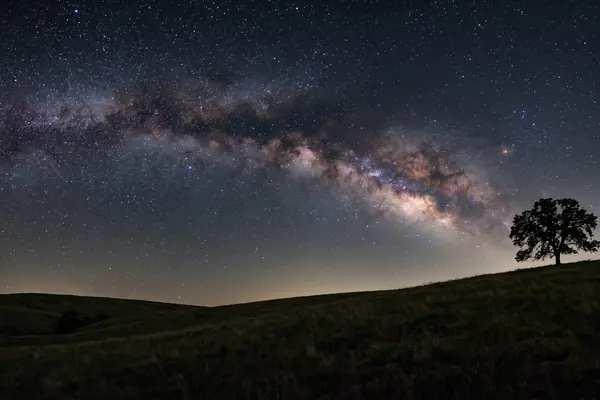

SPIN
Faster at the equator
Earth turns once in about 23 hours 56 minutes. At the equator that carries you at a little over 1,600 km/h; at 45°N it is about 1,180 km/h.
Pick a motionTHE SPEED OF STANDING STILL
Even sitting in a chair, you are moving fast.
Earth spins once a day, circles the Sun once a year and travels with the Sun round the Milky Way. Here is how fast each motion is, where the numbers come from and why you feel none of it.
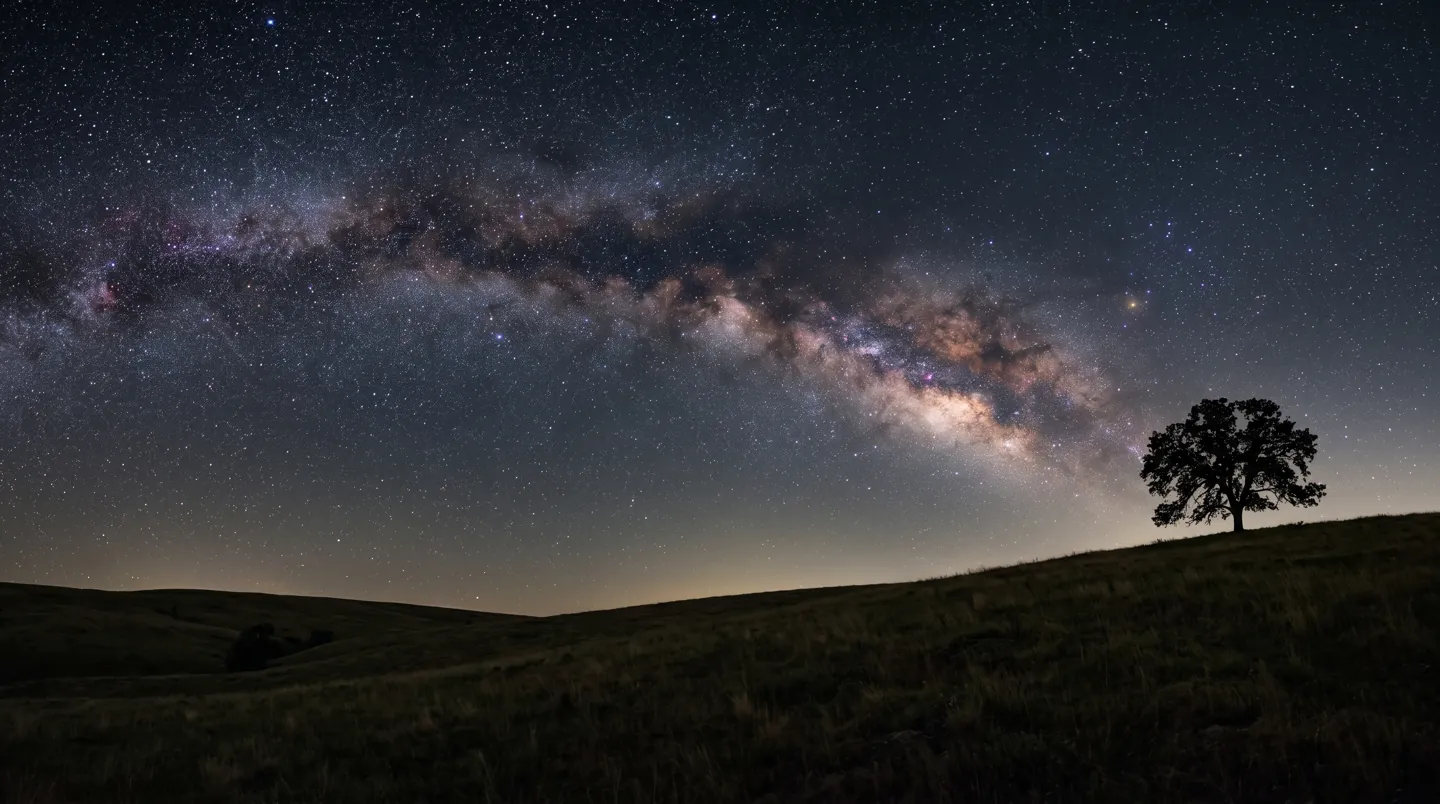
30 KM/S round the Sun
THE SHORT ANSWER
Your speed depends on what you measure it against.
Each motion has its own number.
SPIN
Earth turns once in about 23 hours 56 minutes. At the equator that carries you at a little over 1,600 km/h; at 45°N it is about 1,180 km/h.
Pick a motionORBIT
NASA gives Earth's mean orbital speed as 29.78 km/s, about 107,000 km/h, a little faster near the Sun and slower farther away.
See the numbersFEEL
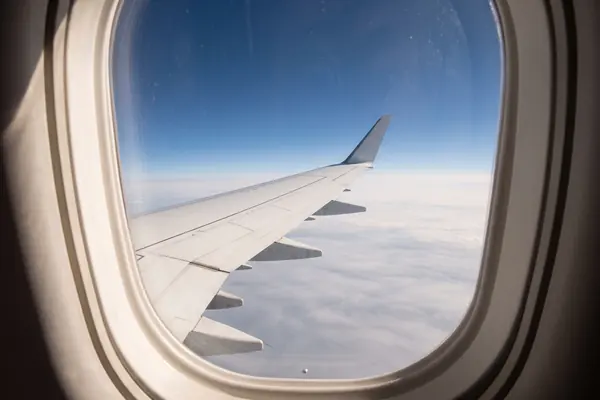
Like a plane at cruising height, Earth moves smoothly, with no jolts, and everything around you moves with it.
Spot the motionA QUICK SPEED CHECK
Pick a motion to see roughly how fast it carries you. The bar shows how big that speed is compared with the others.
Figures from NASA, BBC Sky at Night Magazine and NRAO. Speeds are rounded as the sources give them.
TWO NUMBERS WORTH KNOWING
One figure for the yearly trip round the Sun,
one for the far longer trip round the galaxy.
≈ 107,000 km/h
Earth's average speed round the Sun
NASA's Earth Fact Sheet gives a mean orbital velocity of 29.78 km/s, which BBC Sky at Night Magazine puts at about 107,000 km/h (67,000 mph).
ORBIT · NASA
≈ 230 million years
Time for one lap of the Milky Way
NASA's StarChild team says the solar system takes about 230 million years to orbit the galaxy; NRAO puts it at about 226 million years at around 230 km/s.
GALACTIC YEAR · NASA
NASA's StarChild page gives the Sun's distance from the galactic centre as about 28,000 light-years, in a galaxy about 100,000 light-years across.
FOUR WAYS TO SEE THE MOTION
People worked out that Earth moves long before spacecraft by watching the sky carefully. These clues need nothing but your eyes and some patience.
The Sun seems to sink, but it is your side of Earth turning away from it as the planet spins.
Note where a bright star sits against a rooftop, then look again later: the spin makes the whole sky appear to wheel.
The constellations on view in the evening change through the year because Earth's orbit changes our viewpoint.
One full spin, a sidereal day, is about 23 hours 56 minutes; the 24-hour solar day includes the extra turn needed to face the Sun again.
WHY YOU DON'T FLY OFF

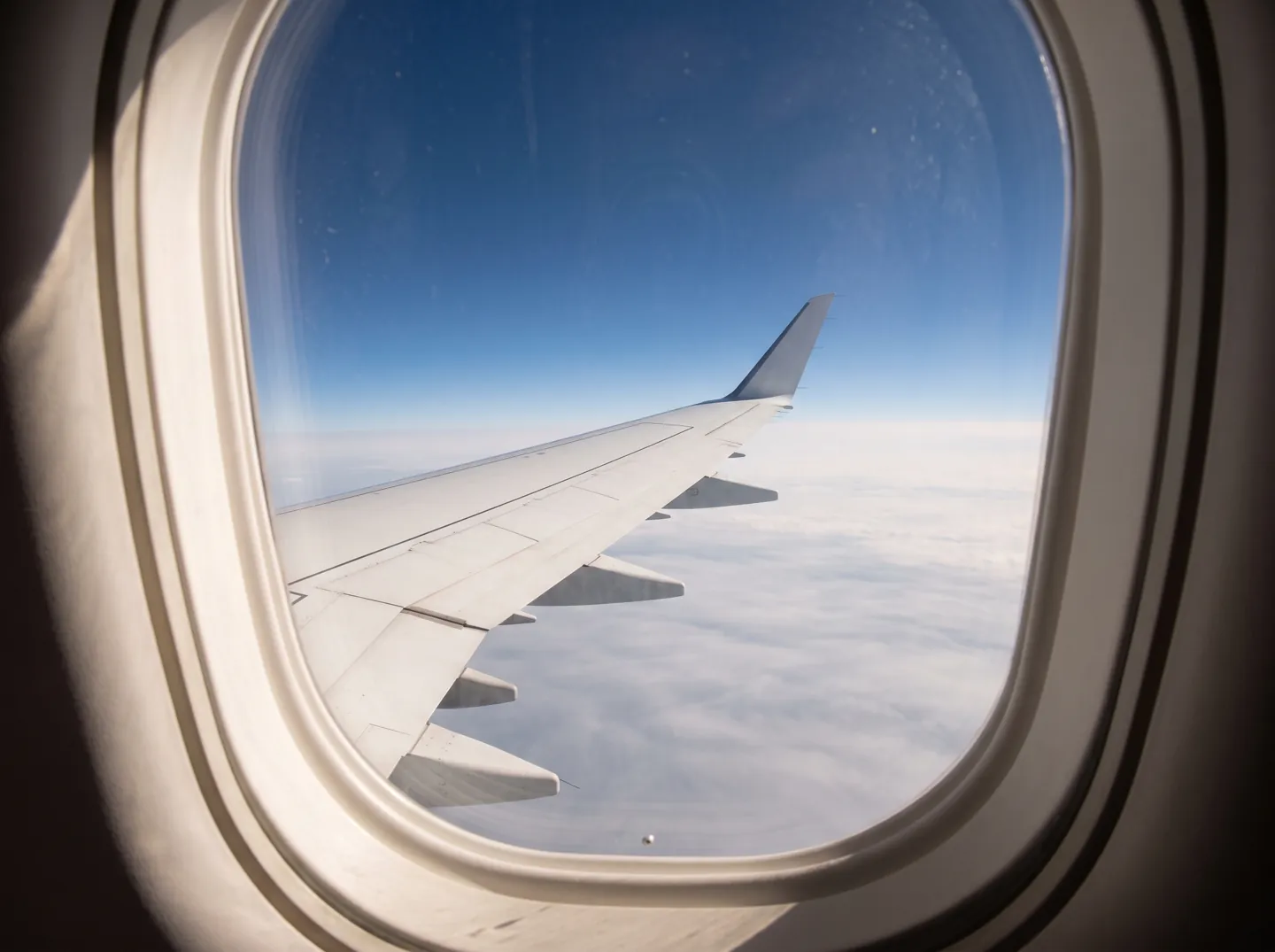
Your body notices changes in motion: speeding up, braking or a sharp turn, like on a carousel. Earth has spun and orbited at nearly the same speeds for billions of years, and its small changes in orbital speed happen gradually.
You, the air and everything around you travel together, as passengers do in a cruising plane, and gravity pulls everything towards Earth's centre. With the stars so far away, there are no nearby landmarks rushing past to give the speed away.
Questions
It depends where you are. At the equator the spin carries you at a little over 1,600 km/h (1,000 mph). At 45°N it is about 1,180 km/h, and at the poles you are almost standing still.
NASA gives a mean orbital speed of 29.78 km/s, about 107,000 km/h. It is fastest near the Sun, at 30.29 km/s, and slowest farthest away, at 29.29 km/s.
Because the motion is smooth and steady, with no sudden jolts, and everything around us moves with us, like passengers in a plane at cruising height. Gravity keeps us on the ground.
One full spin, a sidereal day, takes about 23 hours 56 minutes. The solar day, from noon to noon, is around 24 hours and varies by a few minutes during the year because Earth's orbit is elliptical.
Roughly 226 to 230 million years, travelling at about 230 km/s, according to NRAO and NASA's StarChild team.
Sources
ABOUT THIS NAME
speeddoodle.com is part of the DoodleSale portfolio. It isn't in an auction right now, but you can ask about leasing it.